T-LEVELS
Turn course requirements into meaningful work experienceBANG provides structured T-Level industry placements that connect technical study with real organisational work, supervision, reflection, and evidence of learning.
The Need
T-Level students need more than hours on a placement. They need purposeful work, clear supervision, and opportunities to apply technical learning in real professional environments.
Alongside technical knowledge, students need the interpersonal and professional skills to communicate ideas, collaborate effectively, solve problems and demonstrate their value.
The Offer
Real projects. Real responsibility. Real development.
BANG works with schools, colleges and T-Level coordinators to design placements around each student’s course, interests, learning goals and support needs.
Students contribute to live projects across the BANG ecosystem while developing the technical, professional, and interpersonal skills needed for education, employment, and entrepreneurship.
How It Works
1. Define the placement
Agree course requirements, learning goals, timing, responsibilities, evidence requirements and support.
2. Match meaningful work
Connect students to relevant projects and real organisational needs across BANG.
3. Supervise and develop
Provide structured guidance, professional expectations, skills development and opportunities for reflection.
4. Evidence learning
Capture students’ contribution, skills development and progression through feedback, reflection and reporting.
5. Connect next steps
Where appropriate, connect students to further experience, industry insight, mentoring and opportunities across the BANG ecosystem.
Skills Developed
By combining technical learning with professional development, students learn how to communicate their ideas, work effectively with others, and apply their skills within real organisational environments.
COMMUNICATION
ACTIVE LISTENING
TEAMWORK
TIME MANAGEMENT
CREATIVITY
NEGOTIATION
CONFIDENCE
LEADERSHIP
PROBLEM SOLVING
ATTENTION TO DETAIL
T-Level Project in Practice
Saracens High School × BANG
BANG piloted this approach with T-Level students from Saracens High School, challenging them to develop and present a youth leadership website showcasing the vision, approach and impact of BANG’s Youth Leadership & Youth Voice programme.
Working with senior members of the BANG team and technical mentors from industry, students followed a structured research, design and development process.
Project Development Process
UNDERSTAND:
Explore BANG’s Youth Leadership & Youth Voice approach
Students met with BANG staff to understand the organisation’s vision, programmes, and impact. They explored how young people influence decision-making and identified the key messages the website needed to communicate.
RESEARCH:
Explore youth leadership websites and digital platforms
Students reviewed existing youth-focused websites to identify effective layouts, features, and content styles. They considered how websites can engage different audiences, including young people, schools, funders and community partners.
PLAN:
Map the website structure and user journey
Students organised website content, planned page navigation and considered how visitors would move through the site to find information easily and intuitively.
Write:
Develop content and case studies using Microsoft 365
Students drafted and refined website copy, case studies and calls to action. They practised communicating complex ideas in a clear and engaging way for a wide range of audiences.
Design:
Create layouts and visual elements using Figma
Students designed page layouts, selected imagery, and experimented with visual styles to ensure the website reflected BANG’s identity and created a positive user experience.
Develop:
Build and test the website using VS Code
Students translated their designs into a functioning website, wrote and edited code, and tested pages across devices to ensure they were accessible, responsive, and easy to use.
Review:
Refine the website through feedback and iteration
Students presented their progress to mentors and BANG staff, gathered feedback and made improvements to content, design, and functionality based on recommendations.
Present:
Demonstrate the final website and reflect on learning
Students showcased the completed website, explained their design decisions and reflected on the technical and professional skills they developed throughout the project.
The Outcome
From a live brief to a working product
The project resulted in the first iteration of a Youth Leadership website developed by the students.
Through the project, students applied their technical knowledge to a real organisational brief while developing communication, teamwork, creativity, problem-solving, confidence, and professional presentation skills.
What Students Contribute
Meaningful work across the BANG ecosystem. Depending on their course, interests and placement, T-Level students can contribute to:
- Content production
- Digital and website development
- Research and insight
- Event planning and deliver
- Community engagement and outreach
- Marketing and media
- Social media management
- Project development
- Programme resources
- Evaluation and reporting
- Administration and operations
- Programme delivery
Inclusive Placements
Creating the right conditions to contribute
BANG can plan supported placements for young people with SEND through clear preparation, appropriate adaptations, structured supervision, and support.
The aim is not simply to provide access to a placement, but to create the conditions for each young person to participate meaningfully and develop.
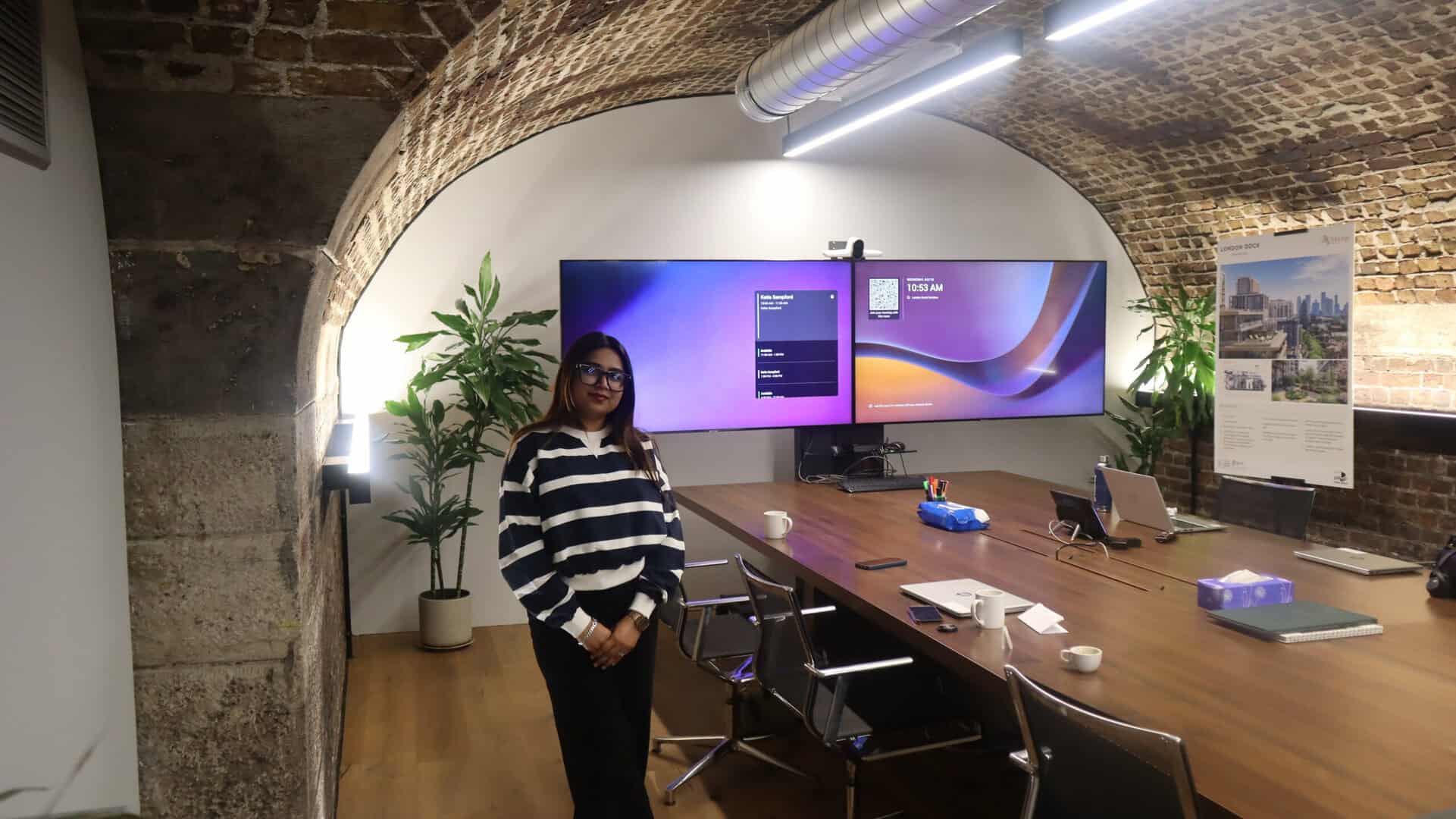
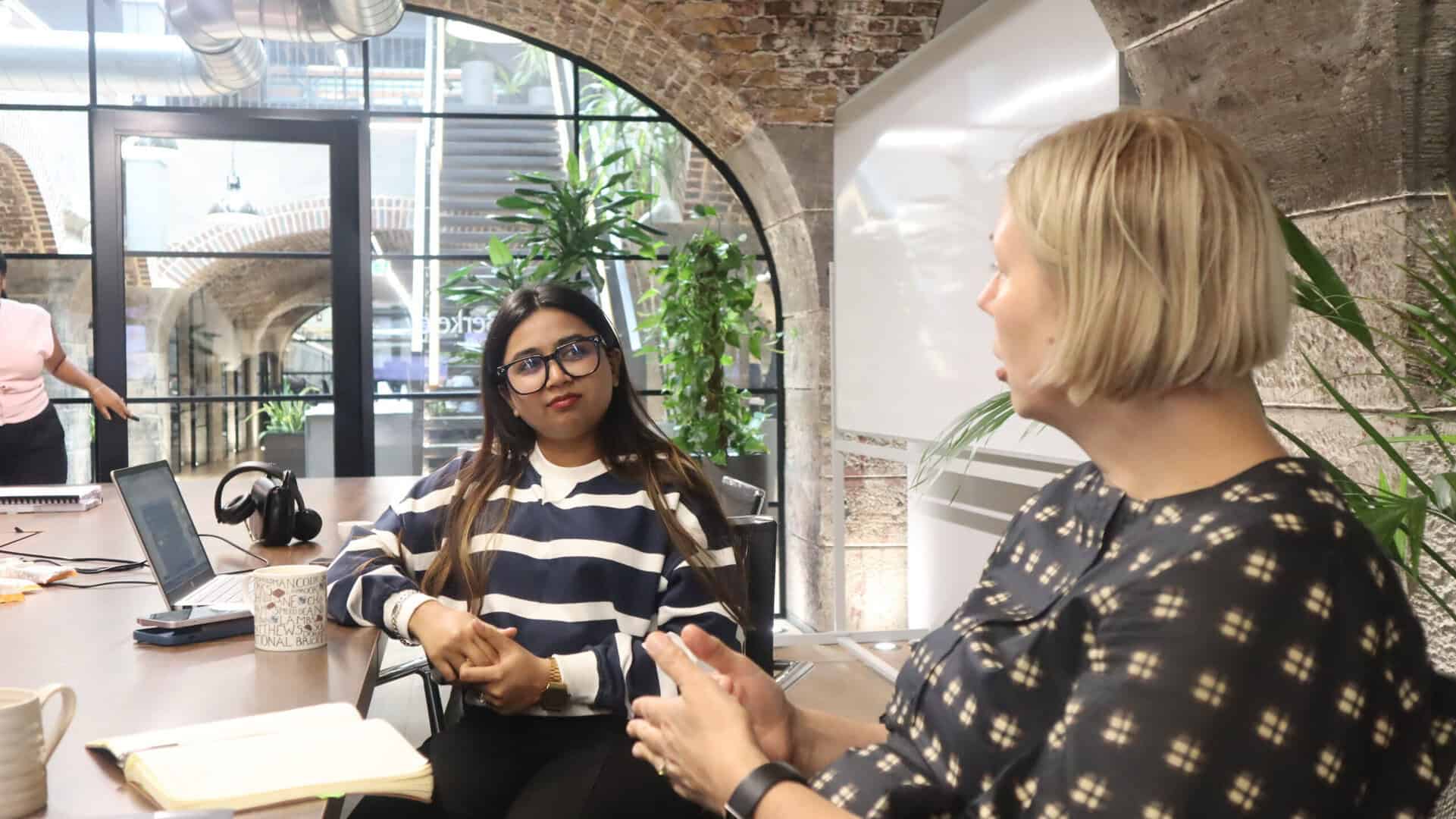
Our office is intentionally set up to be a welcoming hub for young people.
Why BANG
A placement inside a working community-based organisation
Students are not given artificial exercises simply to complete placement hours.
They contribute to real work within a youth-led, place-based organisation spanning community programmes, youth leadership, enterprise, research, digital activity and employer partnerships.
This gives students opportunities to apply what they are learning while seeing how their contribution supports real organisational and community outcomes.
In addition to working at BANG, students are offered days or placements in partner organisations.
Meet the Students
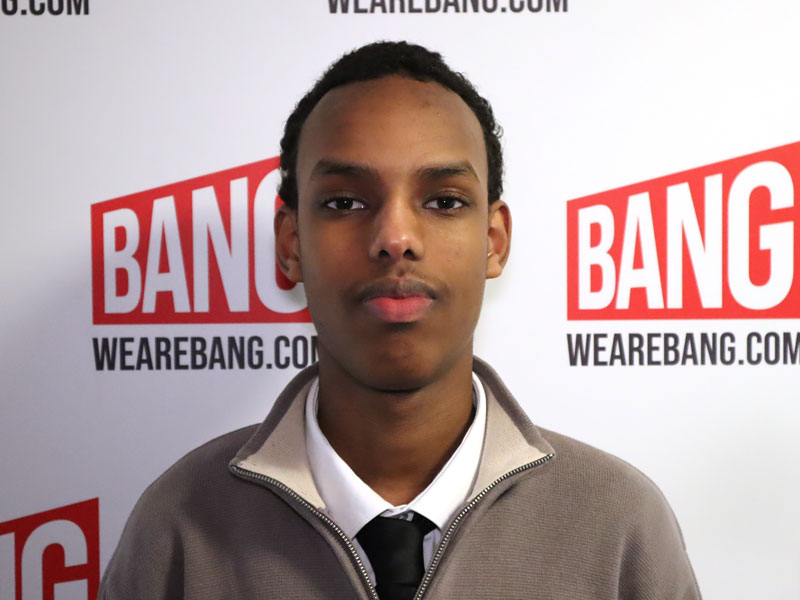
Wardi Mahamuud
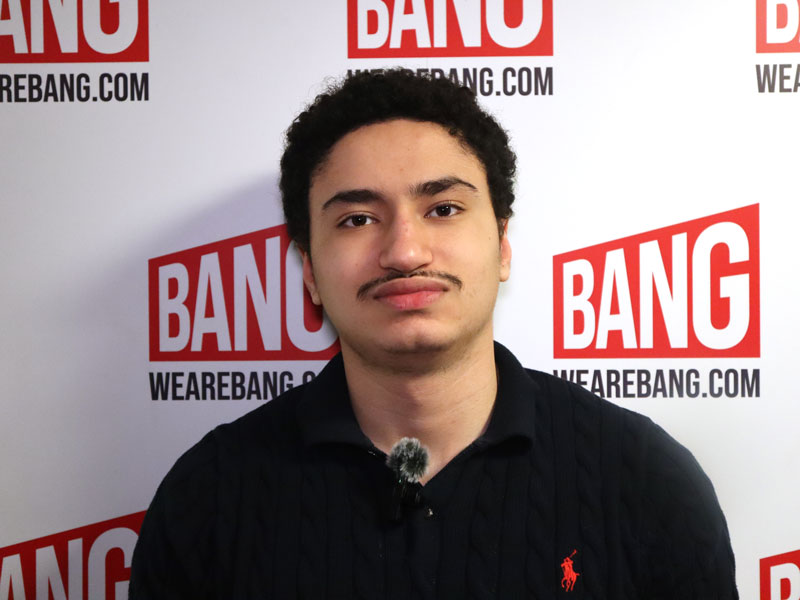
Karim Elanwar
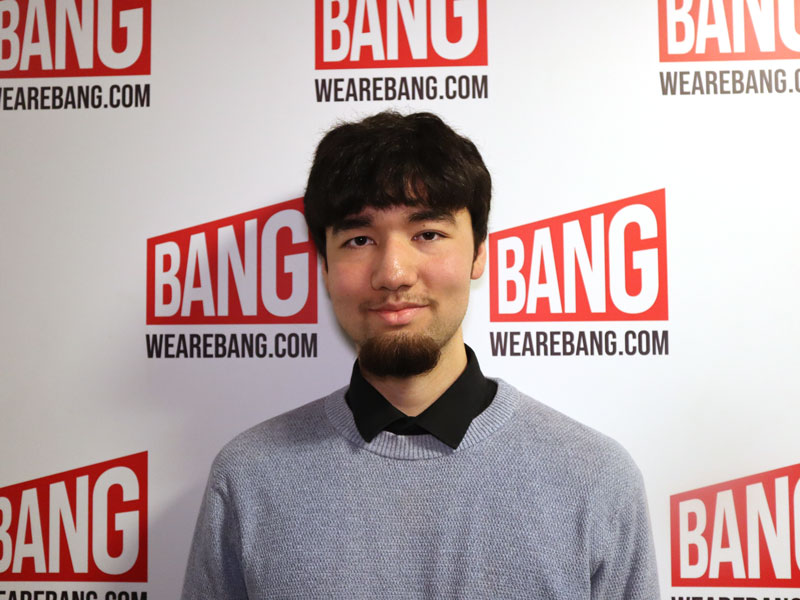
Mikael Mazari
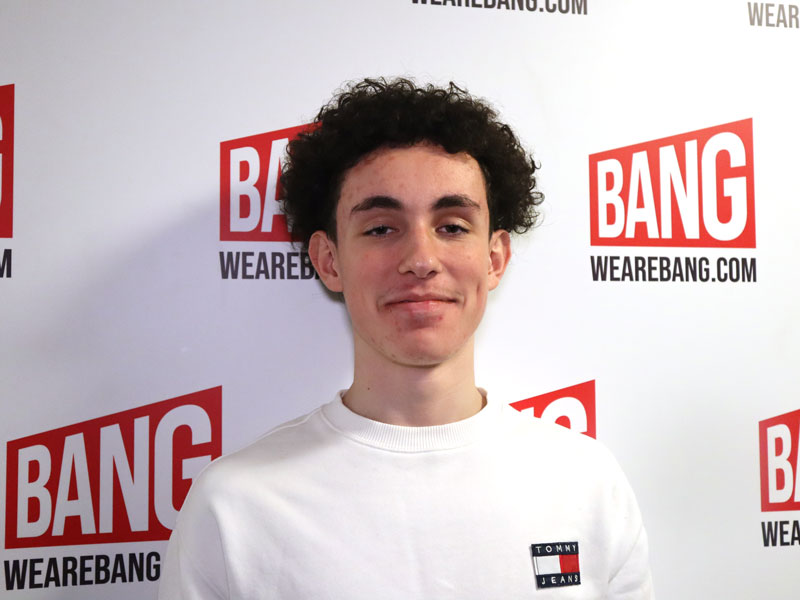
Ari Shaljani
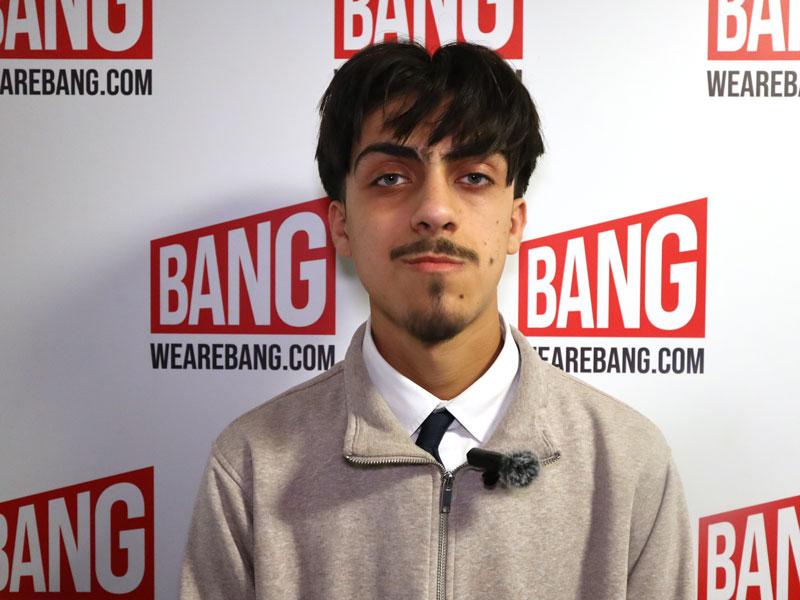
Sangar Alamyar
For Schools & Colleges
Build a meaningful T-Level placement with BANG
Talk to us about an individual student or cohort. Before the placement begins, we will agree the purpose, course requirements, responsibilities, supervision, timing, evidence requirements and any additional support needed.